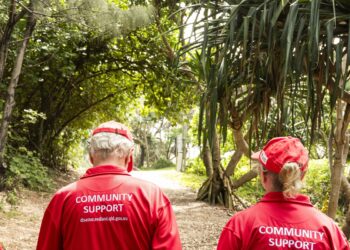

They arrive early before the heat and with hands on hips they survey the bushland that will be their ‘habitat’ for the day.
Kitted out with sturdy enclosed walking shoes, gloves, and a sun-safe hat, these Community Bushcare volunteers are under no pretences that their work for the day won’t be slow and fastidious. They are fully aware that is what it takes to protect and improve their piece of local bushland, and ultimately improve our world.
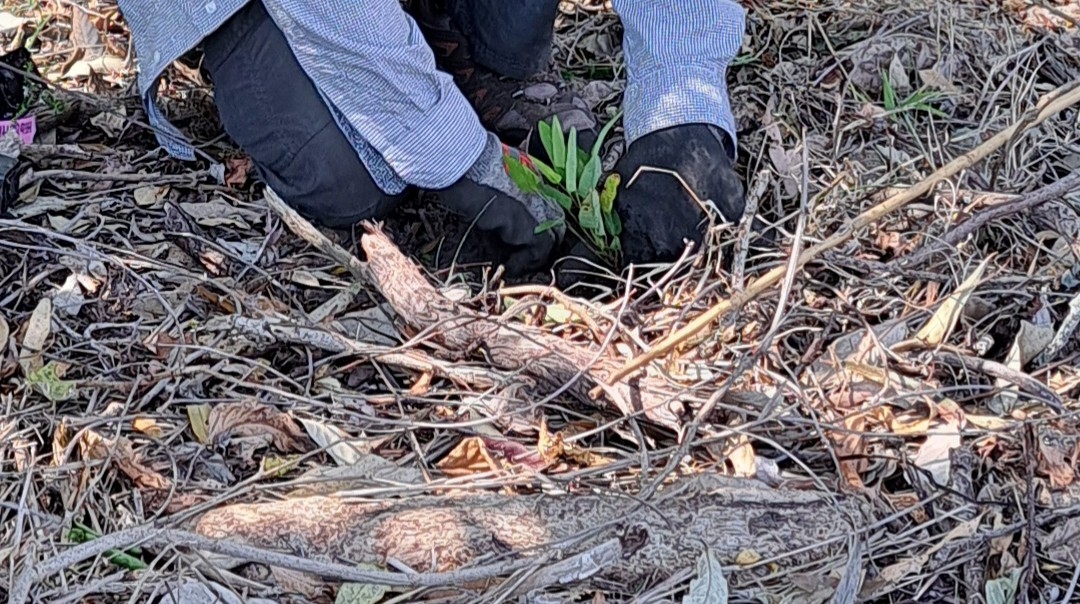
It’s not glamorous but dropping to their knees and hand-removing weedy threats, such as exotic garden escapee plants which can smother native vegetation, is effective in helping bushland ‘bounce back’ naturally.
Redland City Council’s Community Bushcare teams account for more than 300 volunteers across 27 active groups who play an important role in restoring local conservation areas across Redlands Coast.

These volunteers have come into the spotlight during National Water Week (19 to 25 October) which is hosted by the Australian Water Association. The aim of the week is to inspire communities and organisations to work together on water issues and create a sustainable future.
This is not just about the water that comes out of your taps at home, but right back to its sources, such as catchment areas, waterways and the bay.
Of Council’s 27 active Community Bushcare groups, 21 work directly on areas that have an environmental interaction with waterways such as creeks or wetlands. Six groups work on bushland adjoining wetlands (two of which are included in the Moreton Bay Ramsar wetland listing); six work adjacent to the foreshore; and another eight are in riparian locations. (Riparian refers to what is living along the bank of a natural watercourse such as a creek or river.)
There is also a specialty waterways group – the Creek Crew – that meet quarterly at four different Redlands Coast creeks to monitor the health of waterways through hands-on activities such as surveying water bugs and recording dissolved oxygen levels and other indicators of water quality.
The Community Bushcare program contributes to the delivery of the Redlands Coast Bay and Creeks Plan (2021-2031) and is a great example of a key Council program that helps protect and enhance the value of Redlands Coast waterways and Moreton Bay.
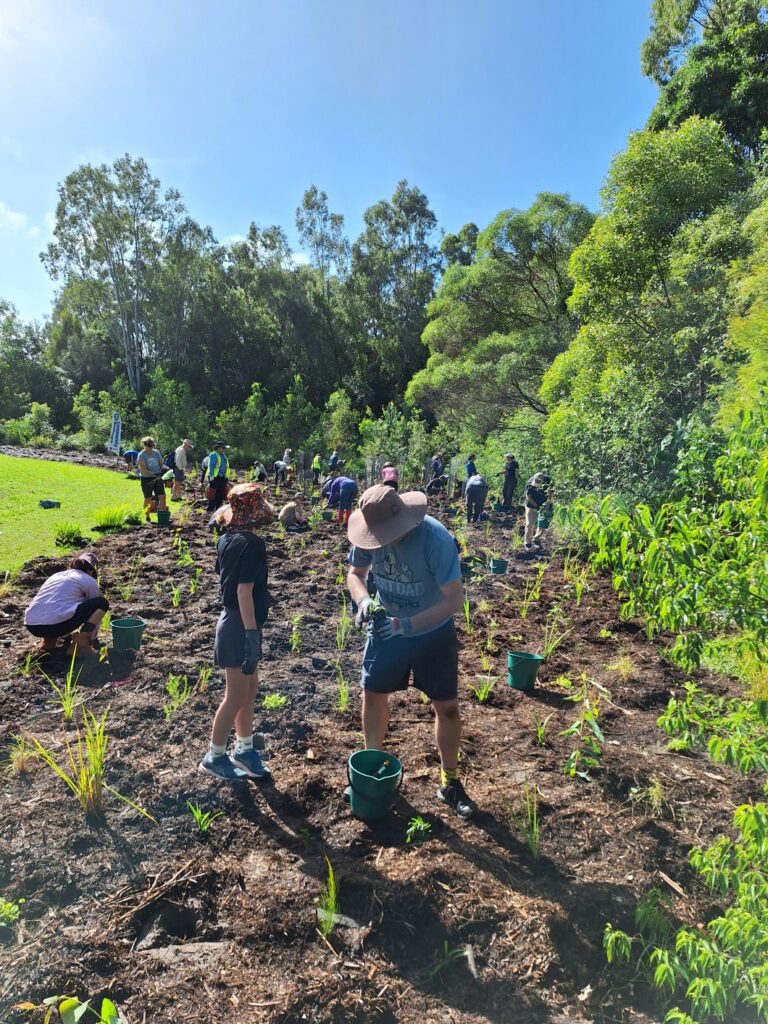
Planting vegetation assists in filtering urban runoff into local creeks by slowing water flow, trapping debris, absorbing excess nutrients, and stabilising stream banks. Established vegetation adjacent to Redlands Coast creeks, wetlands and foreshore areas helps keep our waterways clean. When tree roots extend into the waterway, they slow down high velocity flows that big wet weather events bring and reduce erosion of those creek banks and sedimentation flowing out into Moreton Bay.
Over the past five years, there have been three large-scale community planting events within Hilliards Creek Park, with the planting of more than 5000 plants.
The changing face of Hilliards Creek Park from 2009 to 2026
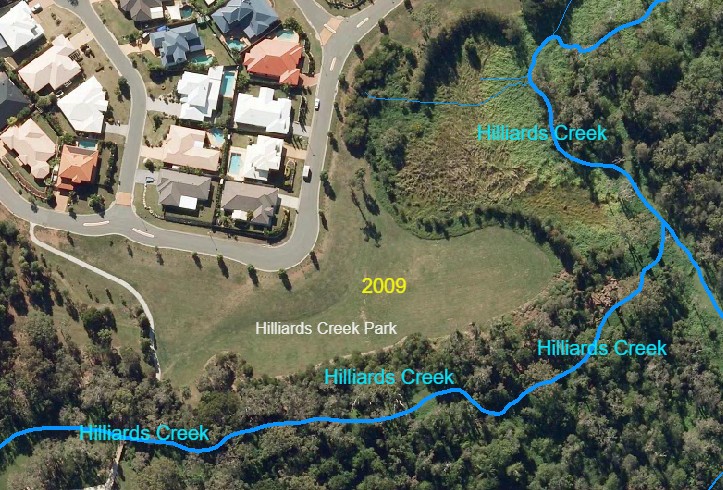
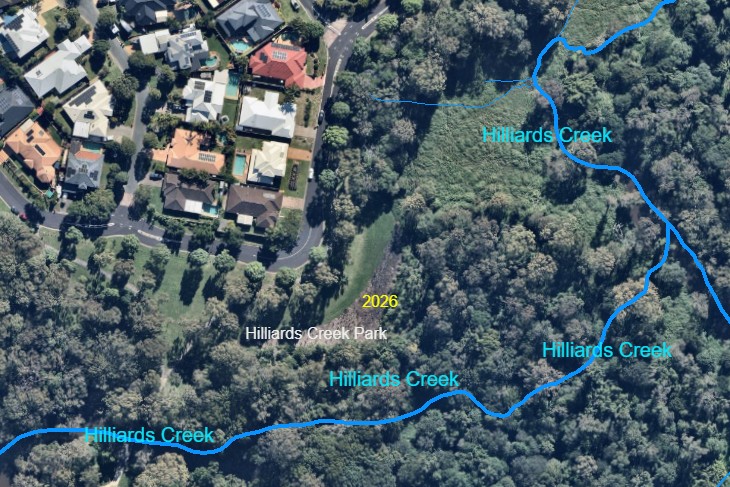
Hilliards Creek Park at Wellington Point lies next to one of Redlands Coast’s major creek systems, Hilliards Creek that eventually flows to the Geoff Skinner Wetlands which is a large area of saltmarsh, mangroves and sheoaks. It is included in the Moreton Bay Ramsar listing.
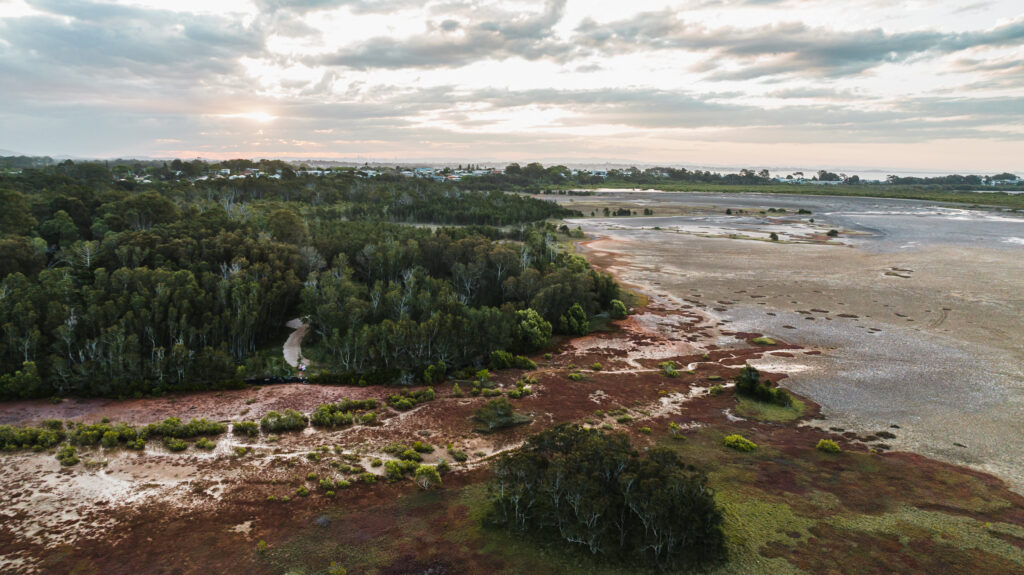
Hilliards Creek Park is now not only a thriving bushland habitat but also a filter for urban run-off from the surrounding residential area.
The site is low lying and can get waterlogged for extended periods of time. Deep roots create pathways in the soil, allowing water to soak deep underground instead of pooling on the surface or flowing into the creek. By planting appropriate trees in this ecosystem, the Bushcare teams assist the movement of water into the ground below.
Plants and the microbes living around plant roots can absorb harmful pollutants like excess nitrogen, phosphorus, heavy metals, and oil residues, preventing them from entering the waterway and contaminating aquatic life. Trees along waterways also help to shade and cool the water, making it a more hospitable environment for creek life.
In July 2024, the first 100 saplings grown as part of a unique research project looking at the nutritional quality of the gum leaves that koalas eat, were planted out during a National Tree Day community event at Hilliards Creek Park. The long-term project, known as Gourmet Gum Leaves, is a collaboration between Council and the Australian National University (ANU). It aims to improve landscape nutritional quality which will assist in koala conservation and management.
Research scientists working for ANU collected seeds from koala food trees on Redlands Coast and nearby areas in south-east Queensland in 2023. The trees selected for seed collection were particularly tasty to koalas due to a combination of relatively high protein and low herbivore deterrent toxins. The seeds were propagated at Redlands IndigiScapes Native Community Nursery at Capalaba.
According to two of the researchers – ANU College of Science Research Fellow Kara Youngentob and Queensland ecologist Dr Christina Zdenek – one of the most important factors influencing the distribution and numbers of koalas in any area is the quality of their food trees.
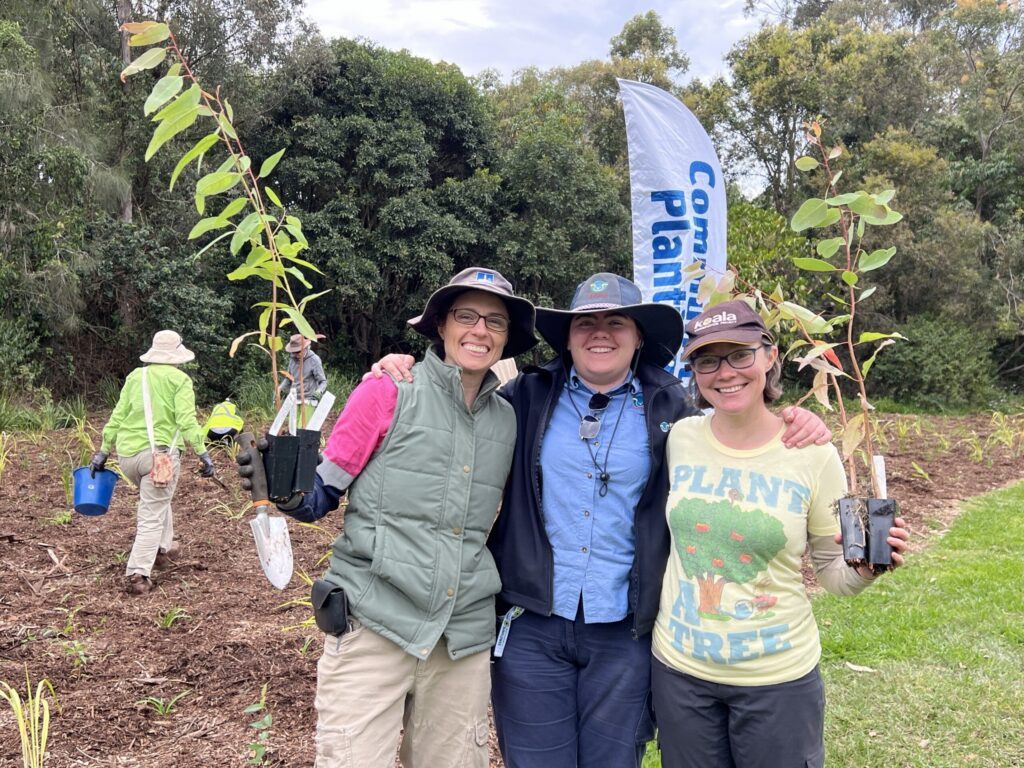
While the Community Bushcare groups are making fantastic improvements to the local environments, the Redlands Coast community is reminded there are ways they too can make a difference in their own patch of green, and it has to do with being water wise.
Here are some tips on how to create and maintain a water-wise garden
- Install a water tank to harvest rainwater. Rainwater is an alternative water resource to our dams, and encourages sustainable water use. Rainwater harvesting reduces the reliance of domestic and business on mains water. It also enhances the protection of our waterways by reducing stormwater run-off. Remember to always screen rainwater tanks to prevent mosquito breeding.
- Don’t drain away the grey. Greywater is wastewater sourced from the bath, shower, bathroom sink and laundry (Greywater from the kitchen sink is not suitable due to food particles and oils). Using greywater for garden irrigation is a great option to save household water consumption and to keep your garden and lawn healthy all year round.
- Irrigate don’t irritate. An efficient backyard irrigation system can be created with good gardening practices and installation of water-efficient products. An efficient product will have a maximum flow-rate of nine litres per minute, and have a timer with 30-minute capability. Examples of irrigation products and devices are a dripper, fixed sprinkler head, micro-sprayer and drip-line pressure compensated.
- When to cop a soaking. Water your garden when it is cooler and less likely to evaporate. Use a trigger hose or bucket when washing your car and try to wash it on the lawn rather than the driveway.
To find out more about Council’s Community Bushcare program click on this link: Community Bushcare | Redland City Council