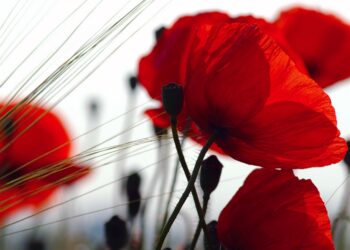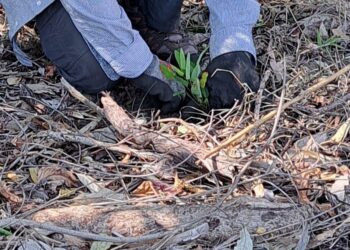

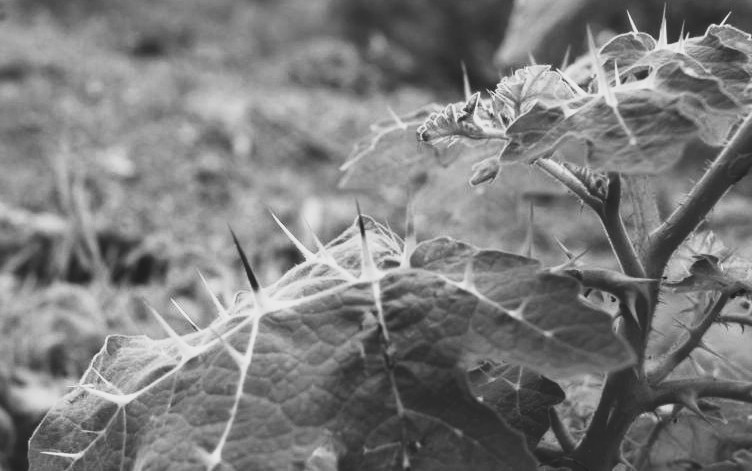
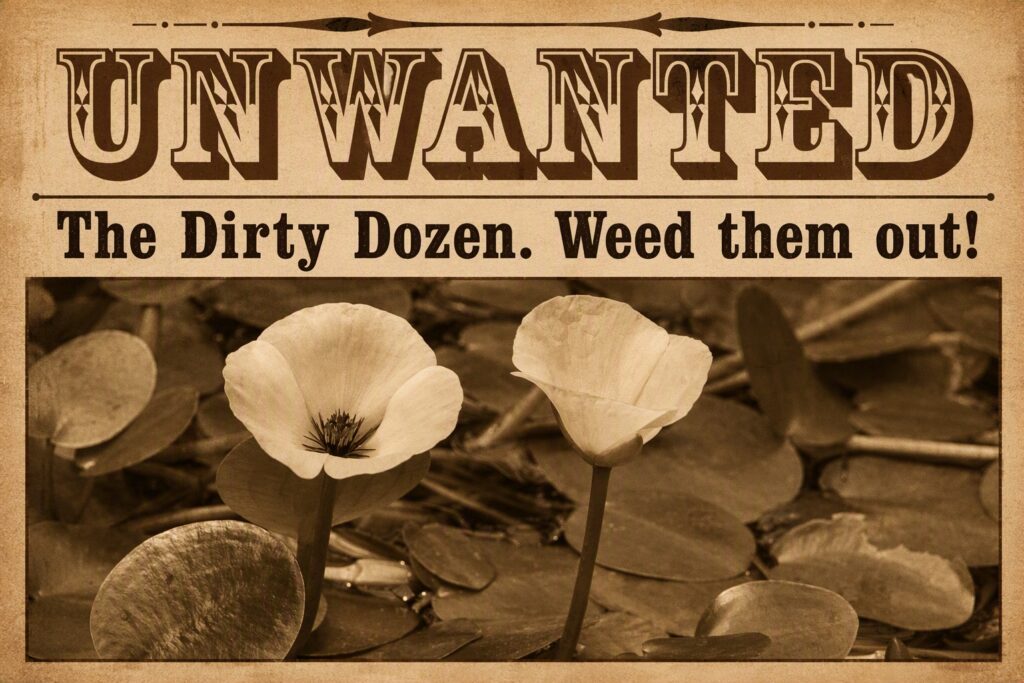
They are the “dirty dozen” pests that Redland City Council has determined pose the greatest risk of invading Redlands Coast.
The 12 weed species top Council’s biosecurity matter risk assessment, and they range from pernicious prickly pears to aggressive aquatic attackers.
The offenders are detailed in the Redlands Coast Biosecurity Plan 2025–2030 which was adopted at Council’s General Meeting in June last year and took effect on 1 July 2025.
The Queensland Biosecurity Act 2014 prohibits all non-indigenous acacias, and some cactus breeds like prickly pear, cholla and harissa and many others that are not currently established in Queensland. Council’s Biosecurity Surveillance officers treat these prohibited matter species as prevention targets.
Along with the dirty dozen weeds that Council is targeting from entering the city, there are many more that come under the restricted matter categories determined by the Department of Primary Industries.
There are three main categories: Prohibited Matter; Restricted Matter; and General Biosecurity Obligation (GBO) for Invasive Biosecurity Matter and unregulated matter. Each category carries obligations under the Act.
Invasive plants and animals present significant challenges. They can lead to biodiversity loss, threaten key species, impact the economy, and diminish social amenity and human health.
The cost to Australia’s economy from invasive species exceeds $25 billion annually, excluding unquantified environmental impacts, according to a Commonwealth Scientific and Industrial Research Organisation (CSIRO) report in 2021.
Council also plays a stakeholder role in invasive biosecurity eradication programs coordinated by the Commonwealth and Queensland governments.
For example, Council continues to assist the Queensland Government as it works with landholders to eradicate bitou bush which grows on beach dunes.
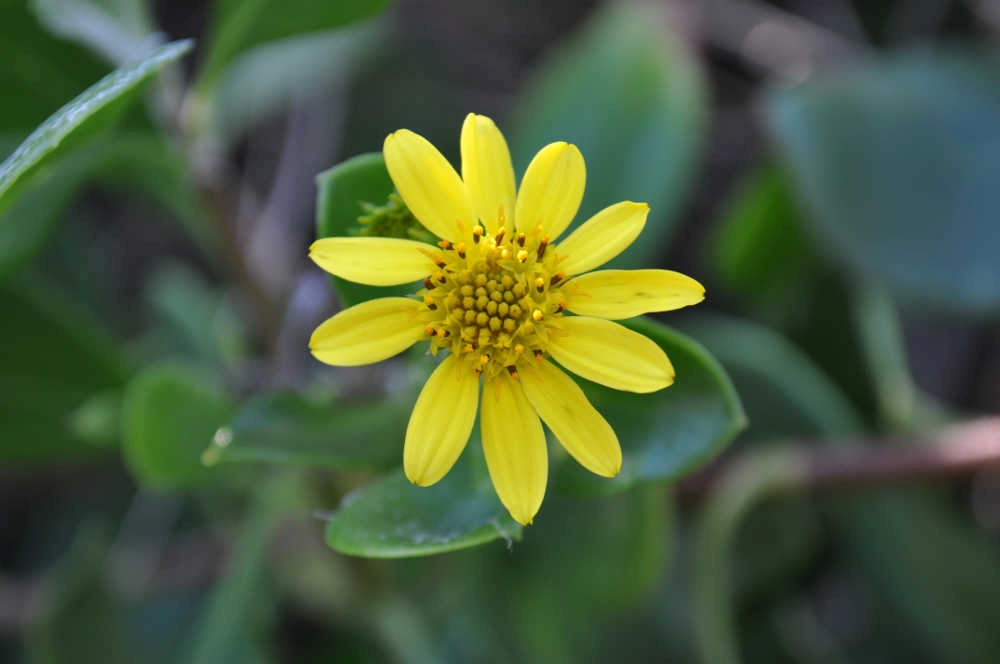
Native to southern Africa, bitou bush has established itself along the New South Wales coast and is present in small numbers along the Queensland coastline.
Surveillance and treatments occur numerous times each year in known and potential sites from the border to southern K’gari (Fraser Island) and includes Minjerribah (North Stradbroke Island) and the SMBIs.
Listed as Restricted Category 2, bitou bush must be reported to a Queensland Government inspector or local government authorised officer within 24 hours by anyone who becomes aware of its presence.
Bitou bush (chrysanthemoides monilifera subsp. rotundata) out-competes and often eliminates native flora on coastal dunes by forming a dense green blanket preventing native seedlings from growing. By doing so it also destroys the habitats of many native birds and animals.
It is prohibited to give away, sell or release bitou bush into the environment.
Council advises that if you are buying any plants from private sellers online or from unverified sellers at fetes or garage sales for example, always check that species are legal before purchasing.
Earlier this year, Council’s Biosecurity team, in collaboration with Biosecurity Queensland, successfully intercepted and seized prohibited and restricted plant species at a Mount Cotton property that were being offered for sale on Facebook Marketplace.
The team’s quick response and decisive action helped shutdown a serious biosecurity threat. The biosecurity officers identified and removed several high-risk invasive species from the property, including water weeds and invasive cacti.
The species were classified under the Queensland Biosecurity Act 2014 as prohibited or restricted matter due to their potential to cause severe environmental damage. Enforcement action was taken to ensure compliance.
Biosecurity is everyone’s responsibility and goes beyond invasive weeds to include pest animals such as feral deer, feral pigs, and European red foxes, and insects such as fire ants.
A guide to identifying biosecurity pests is available on Council’s pest animals and weeds page as well as numerous fact sheets on the Department of Primary Industries website.
Prohibited biosecurity threats can be reported to Biosecurity Queensland on 13 25 23.
1.
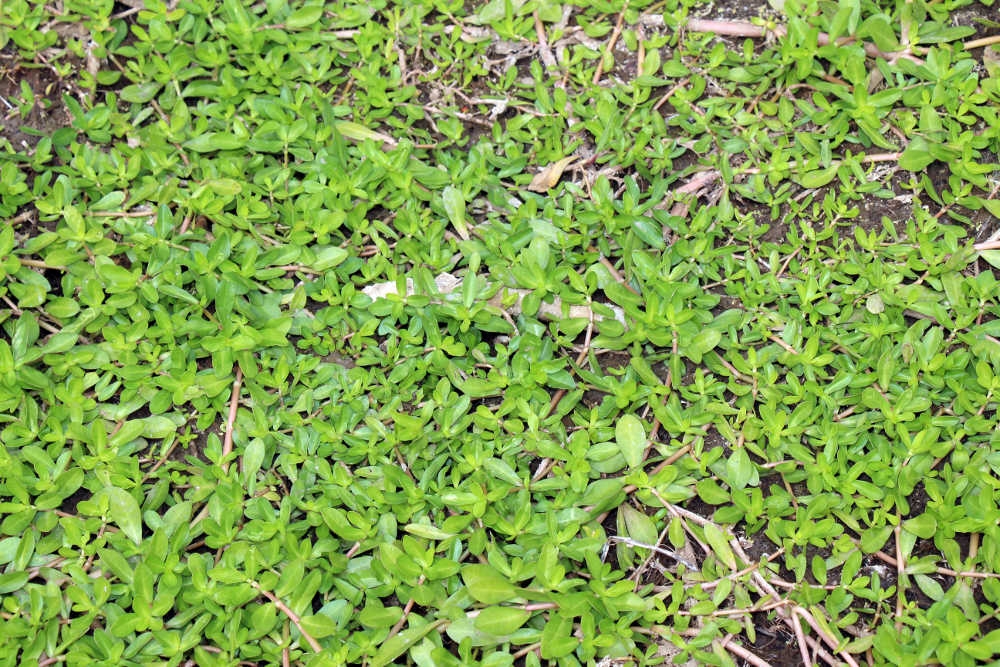
ALLIGATOR WEED
(Alternanthera philoxeroides)
Native to South America, alligator weed is a perennial plant that grows on land in damp soil, or on water as dense floating mats. It poses an extreme threat to waterways, wetlands and irrigated crop lands by restricting water flow and reducing water quality.
How to identify: Leaves are dark green with a distinct midrib and arranged in opposite pairs along the stem which is hollow. There is no leaf stalk. Flowers are white, paper-like and ball-shaped on short stalks 2–7cm long.
2.
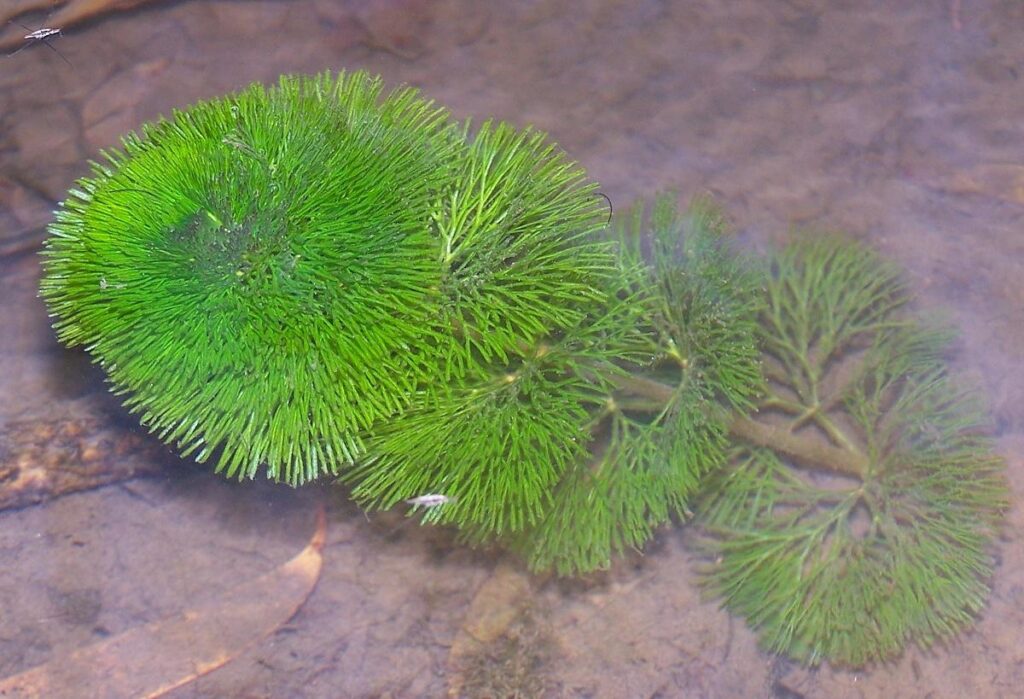
CABOMBA
(Cabomba caroliniana)
Native to North and South America, cabomba (also known as fanwort) is a fully submerged aquatic plant, originally introduced to Australia as an aquarium plant. It is an aggressive perennial that can form dense canopies below the water surface. Infestations displace native plants and animals, and affect water quality.
How to identify: Submerged aquatic plant with multiple stems up to 10m long with a thin gelatinous coating. Leaves are opposite and repeatedly divided to form feathery, fan-shaped structures. Flowers are white, produced above the surface, and preceded by a few narrow floating leaves.
3.
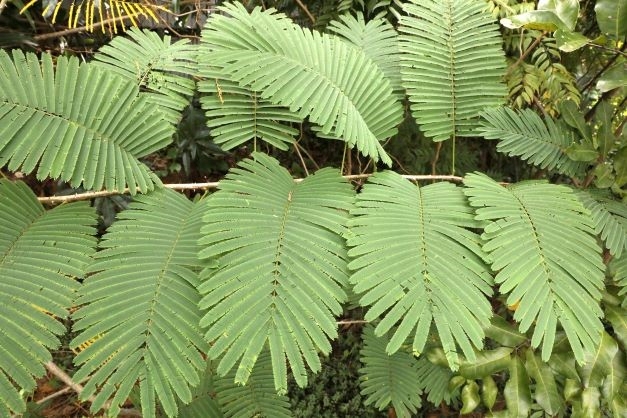
CHA-OM
(Senegalia pennata sp. insuavis)
Native to south and South-East Asia, cha-om is a prickly shrub that invades nature ecosystems and pastures, and reduces beef production. Cha-om is not a leafy vegetable and must not be grown in backyard gardens to use in cooking.
How to identify: The shrub grows up to 5m tall with scattered prickles along branchlets and stems. Flowers are cream-yellow and along with the leaves and stems have a strong odour. Can be confused with native species Senegalia albiziodes and Senegalia pennata subsp. kerrii.
4.
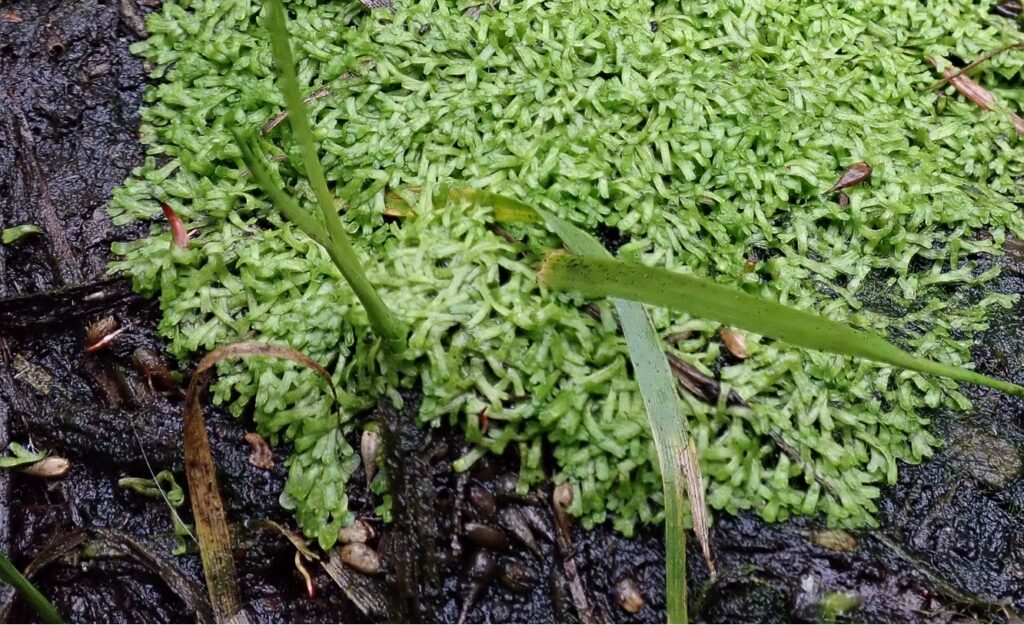
FLOATING CRYSTALWORT
(Riccia fluitans)
While valued in the aquarium industry, this floating plant is a widely distributed aquatic liverwort that can act as an environmental pest due to its rapid growth rate. It creates thick mats that can clog natural ecosystems, block light and reduce oxygen. It is spread rapidly by breaking into pieces and then distributed by waterbirds or during flood events.
How to identify: Bright green colour but lacking true stems or roots. It is made up of ribbon-like structures that branch in a distinctive forked Y-shape.
5.
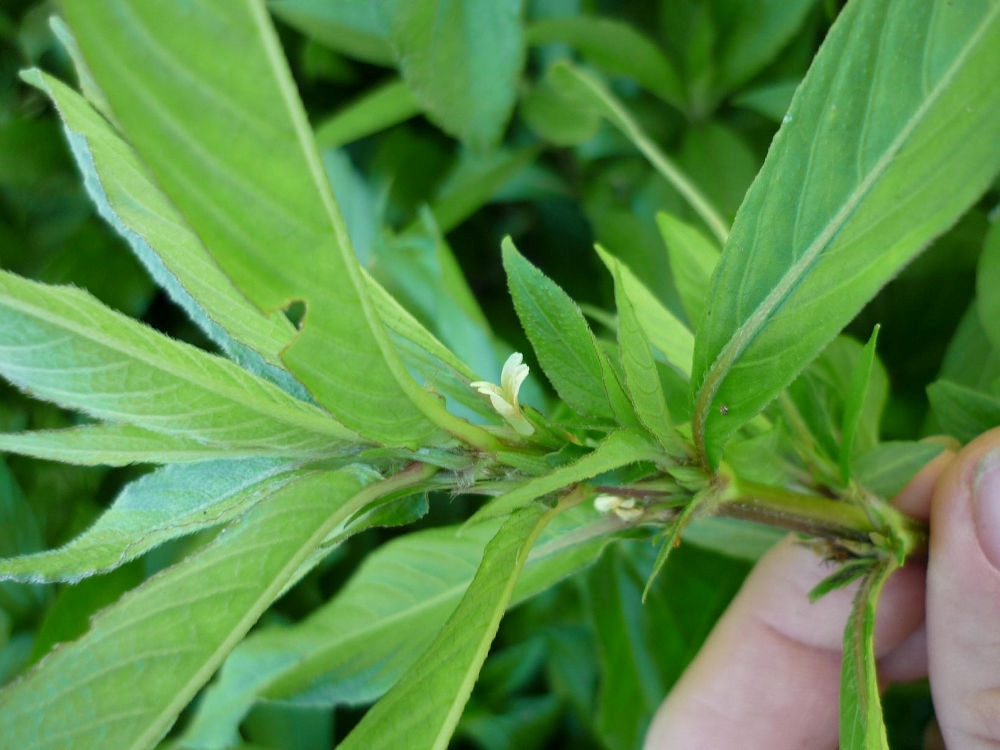
HYGROPHILA
(Hygrophila costata)
Native to Mexico and Argentina, hygrophila (also known as gulf swamp weed or glush weed) is a flowering herb that grows on creekbanks and in shallow freshwater wetlands. It is an emerging problem for Queensland’s waterways. The main danger is that aggressive hygrophila growth will out-compete native water plants.
How to identify: An upright herb that grows to about 1m tall. Leaves are oblong to elliptic, coarse in texture, with prominent veins and distinct midrib. Its papery, white flowers are produced in clusters where leaf joins stem. Seeds are pale brown, round, flattened and smooth up to 1mm long.
6.
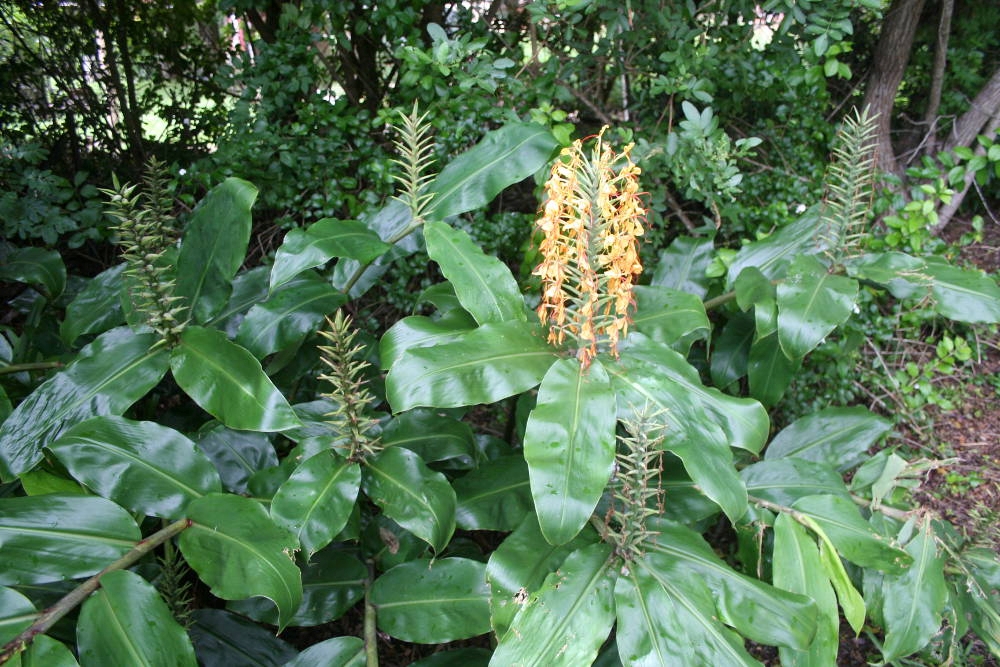
KAHILI GINGER
(Hedychium gardnerianum)
Also known as Kahila garland-lily or ginger lily, this perennial ornamental plant is a restricted plant in Queensland and is ranked among the top 100 of the world’s worst invasive species according to the Global Invasive Species Database. It forms large dense stands that can smother native species. It is also very poisonous to livestock.
How to identify: Its stems rise from thick, branched rhizomes that can form extensive mats up to 1m thick. Leaves are dark green, alternately arranged and up to 45cm long by 15cm wide. Flowerheads are large (15-45cm long) with many spike-like clusters at the stem tips. Flowers are perfumed, pale to bright yellow and have a single long red stamen.
7.
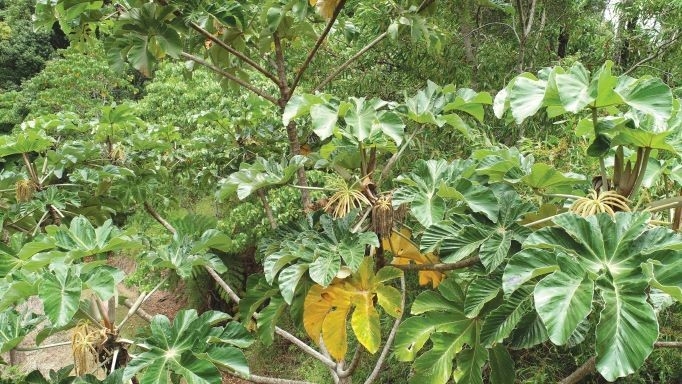
MEXICAN BEAN TREE
(Cecropia pachystachya, C. palmata and C. peltate)
Native to tropical America, Mexican bean trees are fast-maturing trees that are quick to colonise open, disturbed sites or cyclone-damaged forests. They can cause serious and irreversible damage to native ecosystems.
How to identify: Fast-growing tree about 10m to 20m tall, sometimes up to 25m. Leaves resemble pawpaw leaves with the lower surface densely covered with white hairs. The plant has hollow stems, yellow flowers arranged in clusters, and fruit that is cylindrical with soft, sweet flesh around many small seeds.
8.
PERUVIAN PRIMROSE
(Ludwigia peruviana)
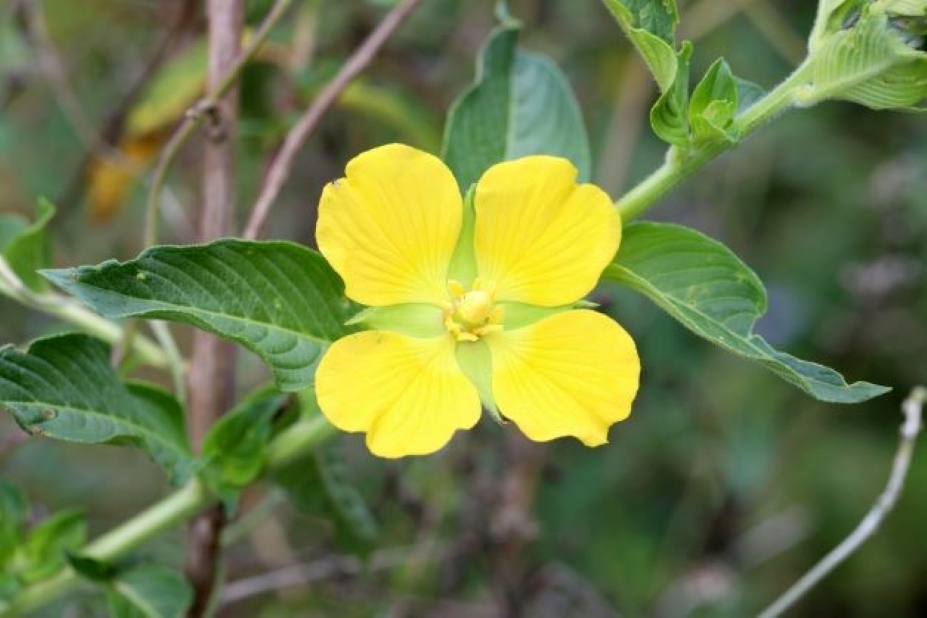
Native to South America, Peruvian primrose (also known as Ludwigia, Peruvian water primrose or Peruvian primrose bush) is a small shrub that has become a serious invasive plant in wetlands around Sydney. Infestations can exclude native plants and destroy habitat.
How to identify: This perennial wetland shrub grows up to 3m tall. Flowers are up to 6cm wide with four to six petals. Leaves are slightly toothed, fruit is reddish or brownish, and the light brown seeds are numerous.
9.
PRICKLY PEAR
(Opuntia spp, including O.microdasys, O.rufidia, but not O.ficus-indica *, O.monacantha, O.stricta and O.tomentosa)
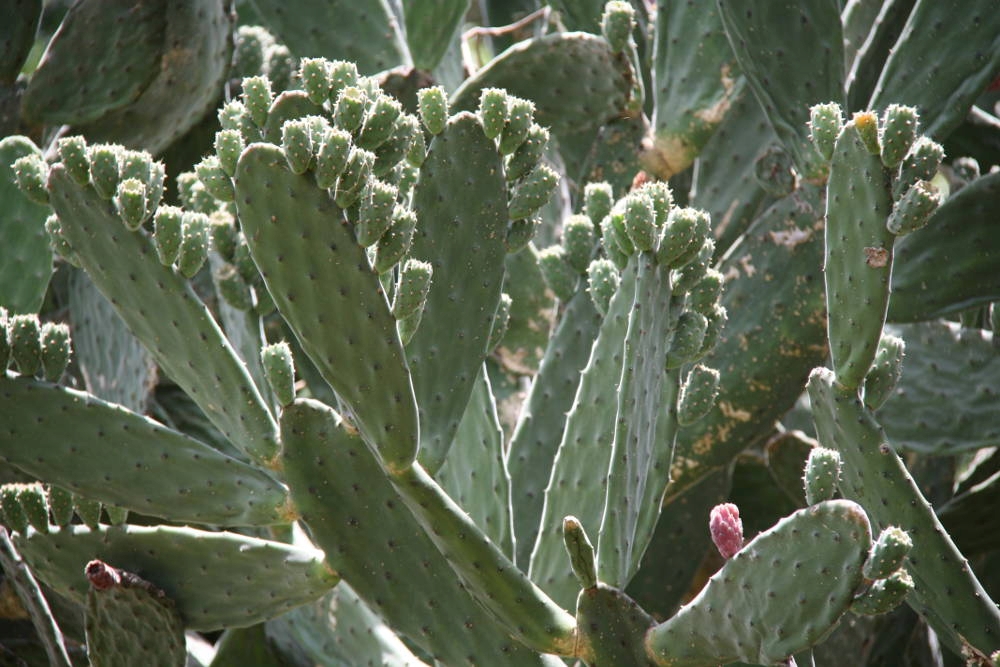
Native to the Americas, prickly pear is a spiny, drought-resistant succulent that rapidly invades pastures and natural areas and overwhelms other vegetation. Some priority varieties are known as bunny ears cactus, blind cactus, common pest pear, spiny pest pear, tiger pear, drooping tree pear, velvety tree pear, nopal cactus and Westwood pear. * Note: This does not include the Indian fig (Opuntia ficus-indica) which is unregulated so that it can be grown to harvest fruit to eat.
How to identify: This leafless, succulent shrub has stems that are spiny, flattened and divided into segments (pads or joints). The skin is thick, tough, drought-resistant and the plant flowers in spring. The fruit is pear-shaped and bristly and can vary in colour from red to purple, orange, yellow and green.
10.
TROPICAL SODA APPLE
(Solanum viarum)
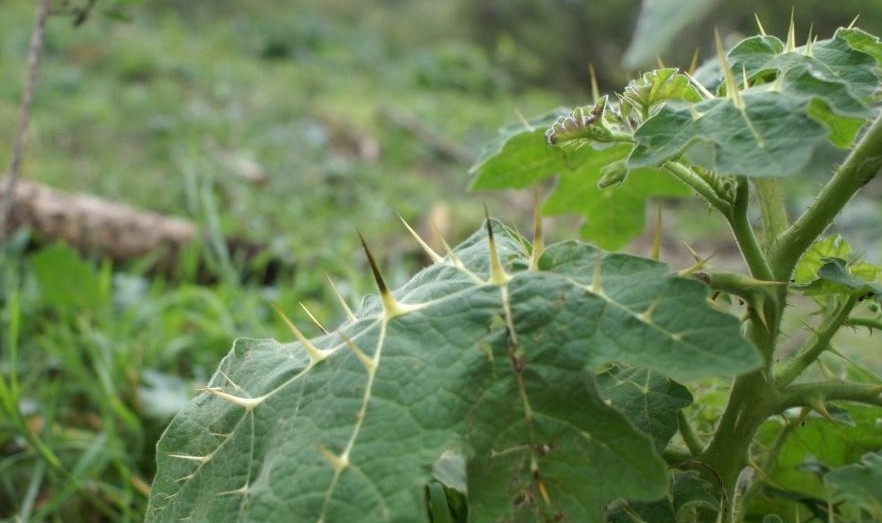
Native to South America, tropical soda apple is a prickly perennial shrub with yellow fruit. It can be invasive and host various plant viruses. Queensland has only a small number of isolated infestations, but the species could become a problem in coastal and subcoastal areas.
How to identify: It is an upright, multi-branched perennial shrub. The stems have thorn-like prickles up to 12mm long and leaves are covered with short hairs and white prickles. Flowers are white with white to cream-coloured stamens. Immature fruits are smooth and round with mottled light and dark green colour. They turn yellow when mature.
11.
WATER MIMOSA
(Neptunia oleracea, N. plena)
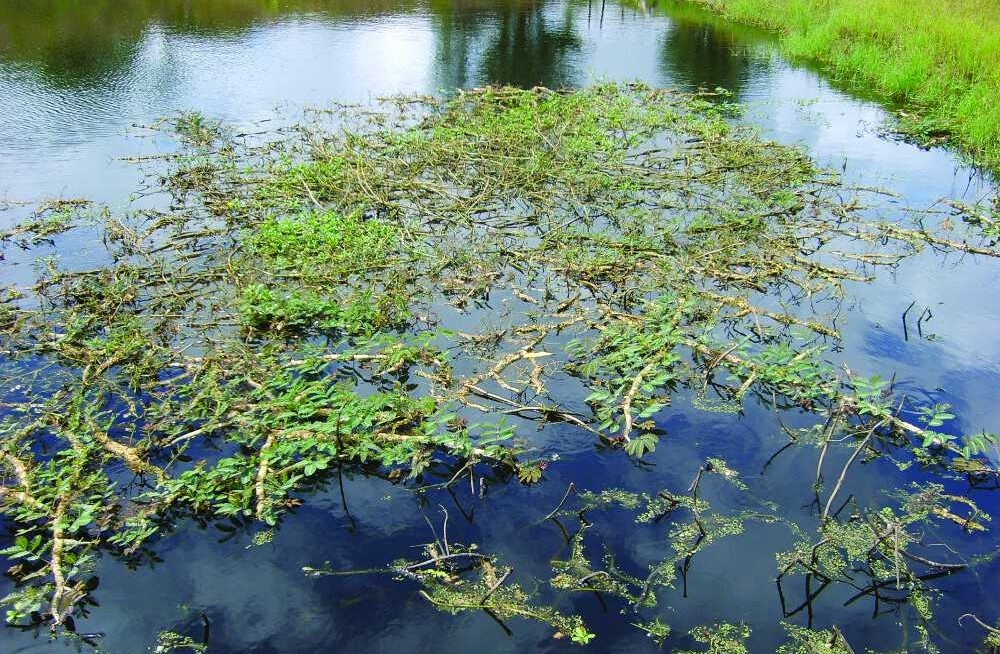
Native to Mexico, Central America and northern parts of South America, water mimosa also grows in tropical Asia where it is farmed as a water vegetable. This aquatic legume releases nitrogen into water bodies which can lead to increased algal blooms and encourage growth of other weeds such as water hyacinth, water lettuce and salvinia.
How to identify: As a floating perennial weed, it attaches to the bank at water’s edge and sends down a taproot. The 1.5m-long stems grow out over the water and form spongy floating tissue. The small leaves are sensitive to touch and close quickly. Flowers are yellow and ball-shaped. On land, the plant has smaller leaves and flowers.
12.
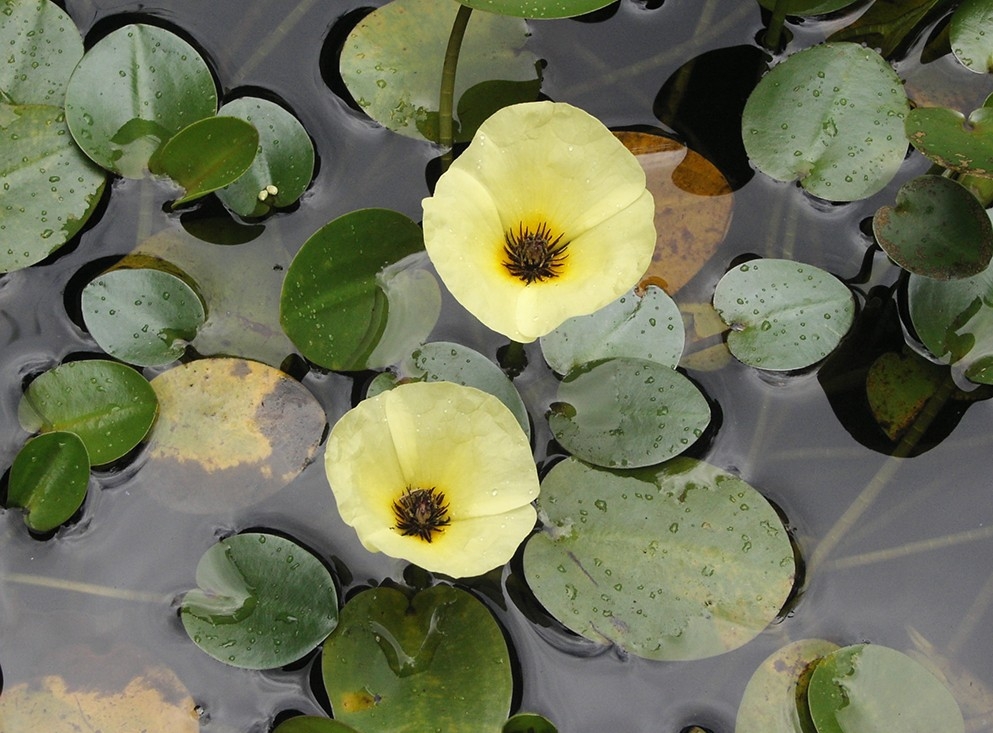
WATER POPPY
(Hydrocleys nymphoides)
Water poppy is a perennial aquatic plant, found in still or slow-moving water bodies up to 1m deep. It can form dense infestations that choke waterways by reducing light and oxygen levels in the water. It can reduce food and habitat for fish and other aquatic animals.
How to identify: Stems can be up to several metres long. Leaves are dark green and shiny and are oval, round or heart-shaped with a thick and spongy midrib. The leaves form in rosettes that either float on the water’s surface or emerge up to 40cm above the surface.