More than a year after Tropical Cyclone Alfred crossed the south-east Queensland coast, the work of recovery is continuing in a quiet, reflective way across the islands on Redlands Coast.
The islands were severely impacted by the cyclone when it crossed the coast as a low on 8 March 2025. Thousands of people were without power and communications, and were isolated due to ferry closures.
Now – rather than chainsaws and sandbags – the tools being used in recovery are art materials, found objects and shared creative spaces, helping residents process the lingering emotional impact of the cyclone.
Council’s role in the workshops, performances and programs has been to support coordination – helping connect communities, facilitators and venues, and ensuring the activities are shaped by what residents have identified as their needs.
The initiatives are jointly funded by the Australian and Queensland Governments through the Commonwealth-State Disaster Recovery Funding Arrangements (DRFA).
A temporary Council position funded under the DRFA has focused on listening to community feedback and responding with targeted initiatives delivered in partnership with key stakeholders on the islands and with Metro South Health.
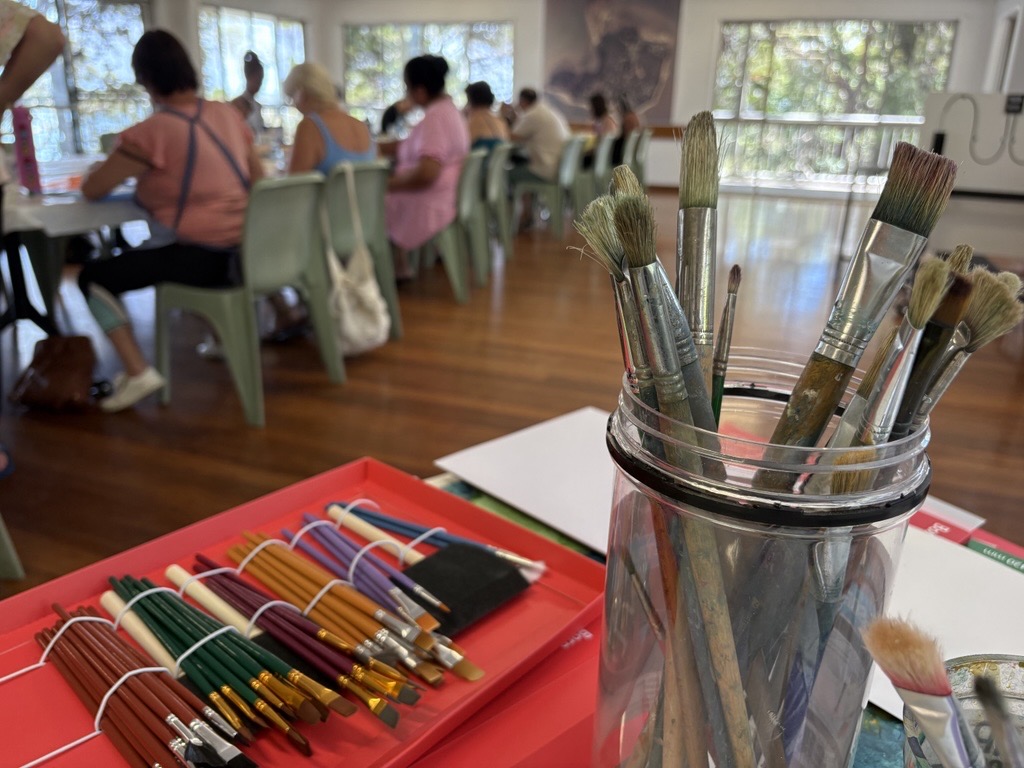
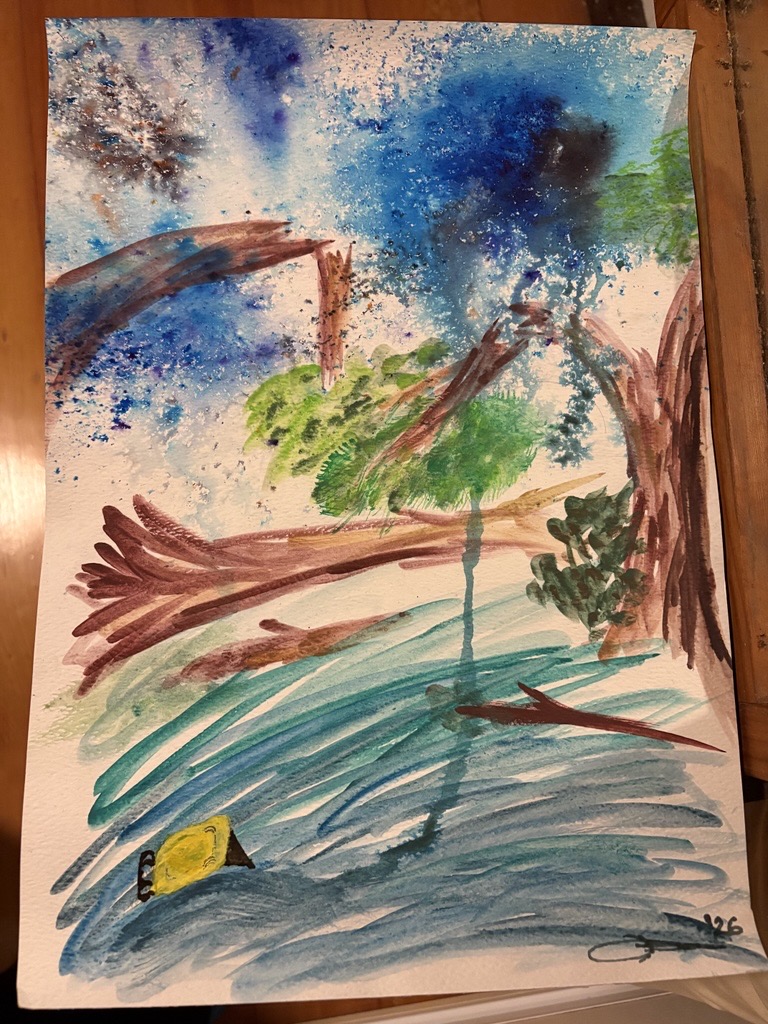
A series of art therapy sessions held across two islands has brought people together to reflect on their experiences. Two half-day sessions were held on Coochiemudlo Island and a four-week program on Russell Island.
These sessions allowed participants to reflect on their experience of the cyclone and its impacts without the pressure of verbal storytelling or formal counselling. Participants did not need artistic skills or experience, as the emphasis was on the creative process rather than producing a finished artwork.
Feedback from participants was encouraging:
- I usually rely on processing through words, but coming up to the 12 month mark I’ve noticed a tendency to spiral or get stuck with the words – (I) needed a different medium to give the brain a kickstart. Working with an unfamiliar medium meant I had to be gentler with myself than I would have been otherwise.
- Found it to be a safe supportive space to discuss experiences and fears.
- Love it! I expressed and processed things in a very freeing way.
- Good opportunity to explore and express internal experiences in a safe space. To come together with others in our community and share.
Some of the works created during these sessions were shared with the wider community through an exhibition at RICArts Arthouse & Gallery on Russell Island. The exhibition included a performance by Coral Chorale of Deluge, a song written by the choir director that focuses on community resilience after a storm.
A yarn and weave session, facilitated by Quandamooka artists on North Stradbroke Island (Minjerribah), took a slightly different form. Participants worked with items found washed up after the storm surge from the cyclone, transforming debris into creative pieces.
The national Creative Recovery Network has also been invited to work with local artists to explore other project ideas that could further support community recovery and resilience.
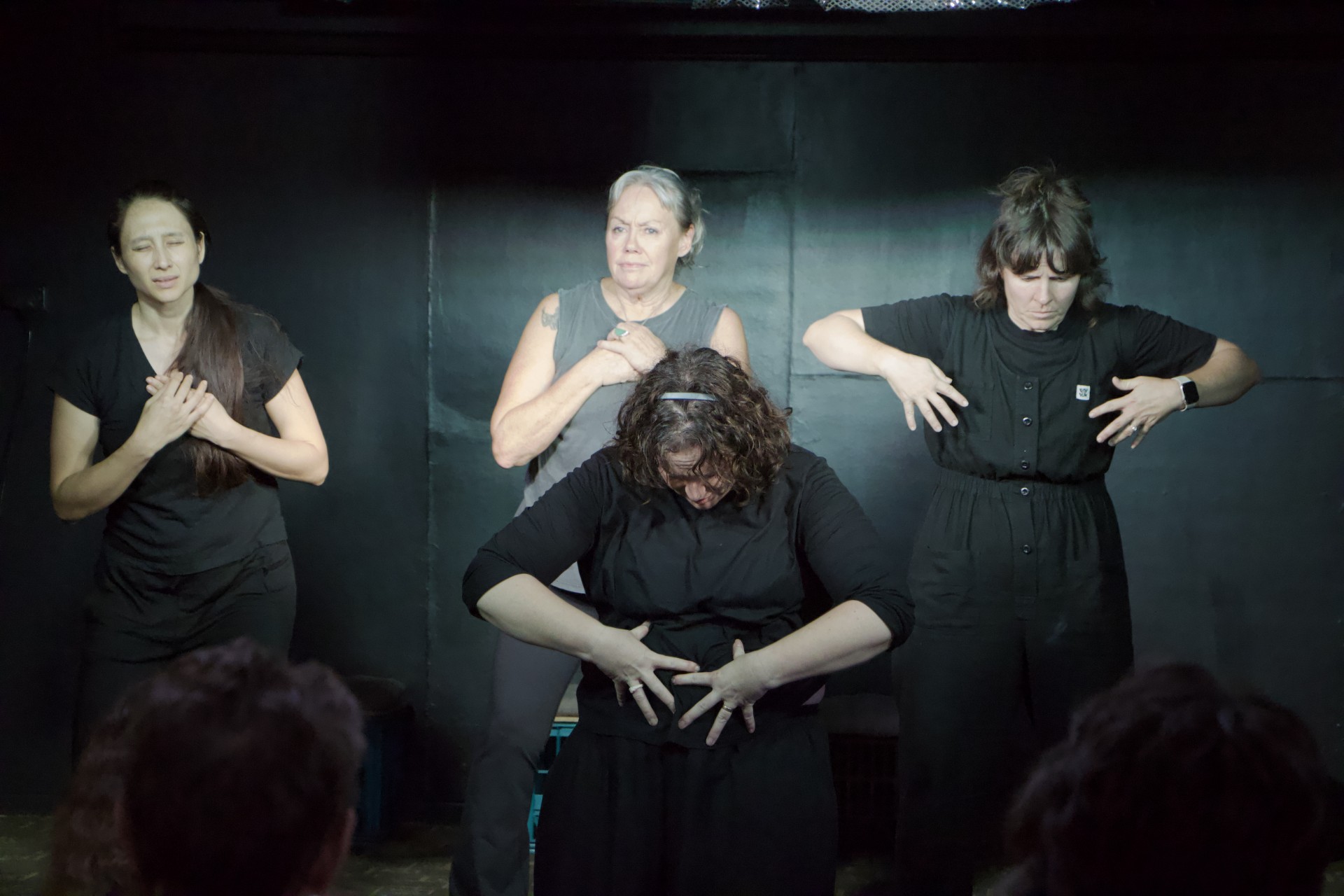
Theatre is another creative medium that has been used to facilitate the social aspect of recovery.
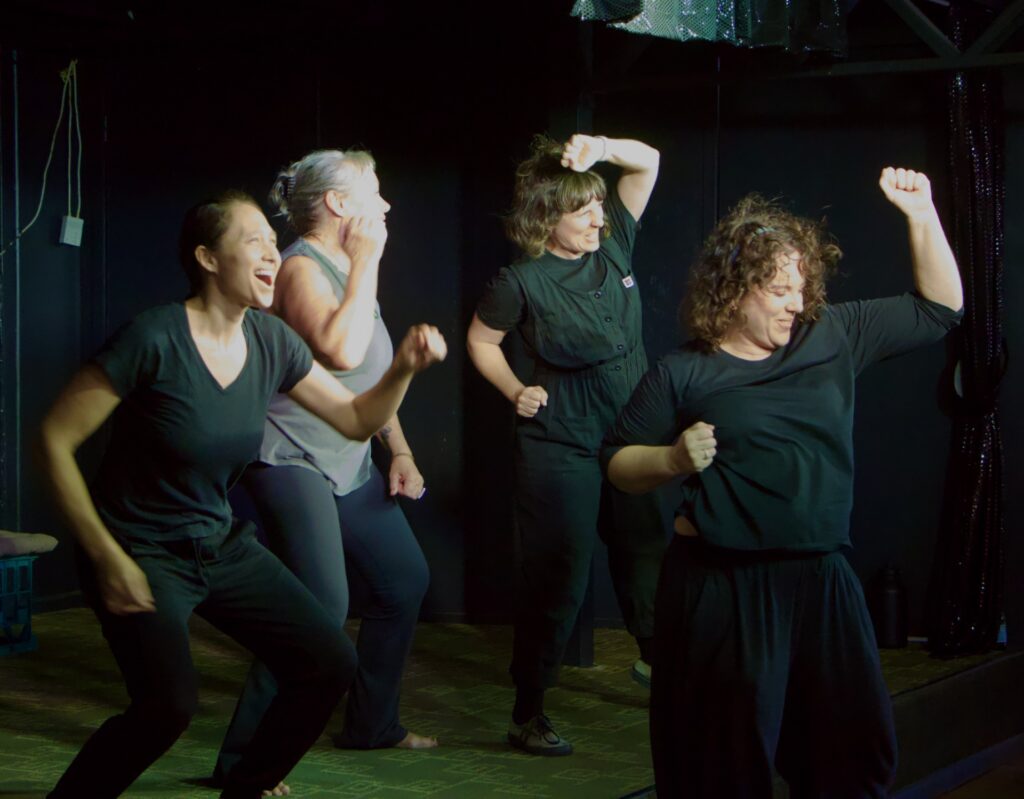
In a Playback Theatre performance, audience members were encouraged to share stories of their experiences of the cyclone that were then transformed into movement, music and metaphor.
Participants were won over, with feedback such as:
- It brings people, feelings and experiences together.
- The reflective component is very valuable.
- It got people to open up and share.
- (It) helps people access emotions.
- The dramatic performances were very sensitive to the natural disaster theme.
- (It helps) you understand we all look at things differently.
A four-week program was also held on Macleay Island, with guided activities and group conversations allowing participants to explore practical ways to strengthen their social and emotional wellbeing.
Importantly, the recovery program has also provided support to some of the most vulnerable people on the islands – children, older residents and people with a disability.
Storytime sessions for children have shared the Birdie’s Tree program, which helps young people understand extreme weather events in an age-appropriate way.
There were also Person-Centred Emergency Planning workshops for older residents and those with a disability to consider their bespoke needs in a future disaster.
For island residents wanting to get hands on with recovery, a Repair Cafe on Russell Island provided a space where people and their damaged items could be repaired together.
Tropical Cyclone Alfred community recovery work will continue to be delivered by Council through the Community Recovery and Resilience Officer, provided by the jointly funded Commonwealth-State Disaster Recovery Funding Arrangements (DRFA) until April 2027.