

Getting more people to use active transport more frequently, and reducing reliance on private car travel, is a challenge facing local governments across south-east Queensland.
On Redlands Coast, a city of six residential islands and a large, diverse mainland community with different needs, this challenge is amplified.
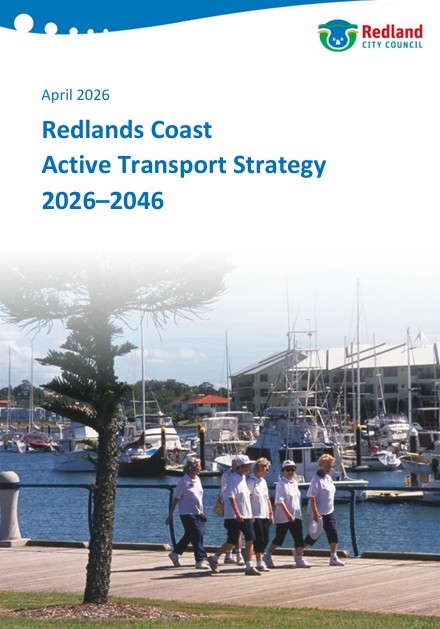
Council has recently adopted the Redlands Coast Active Transport Strategy, a framework shaped by the community that sets the strategic direction for the city’s active transport future and outlines proactive steps to address current and emerging challenges.
At the heart of this strategy is a desire to provide the community with more flexibility over how they travel by making it easier to walk, ride, scoot or take public transport to various key destinations on the mainland and islands.
The benefits of active travel in modern cities such as Redlands Coast include not only a reduction in vehicle traffic on the roads and less pollution, but also more vibrant and connected communities.
And there are plenty of benefits for residents too, with riding or walking to work or school providing a significant boost to physical health.
The strategy sets an ambitious headline target of doubling the current rate of active transport use on Redlands Coast to 18 per cent by 2046, with a focus on improved connectivity to major destinations.
Council already has walkable centres and an extensive pathway network spanning more than 500 kilometers – now it’s about getting on with the job of enhancing the broader network and making it even easier for all ages and abilities to use.
The key focus areas of the strategy over the next five years include:
- Improving access in areas with limited travel options, lower levels of existing infrastructure or higher needs, such as communities with higher rates of disability
- Enhancing community safety through additional crossings, speed management, and separation from traffic on busier corridors
- Encouraging active transport uptake through enhancements to wayfinding and end-of-trip facilities
- Increasing advocacy to the Australian and Queensland governments to secure better passenger transport, stronger investment in active travel facilities and programs, and expanded grant funding opportunities for local government.
You can download the Active Transport Strategy PDF here.