

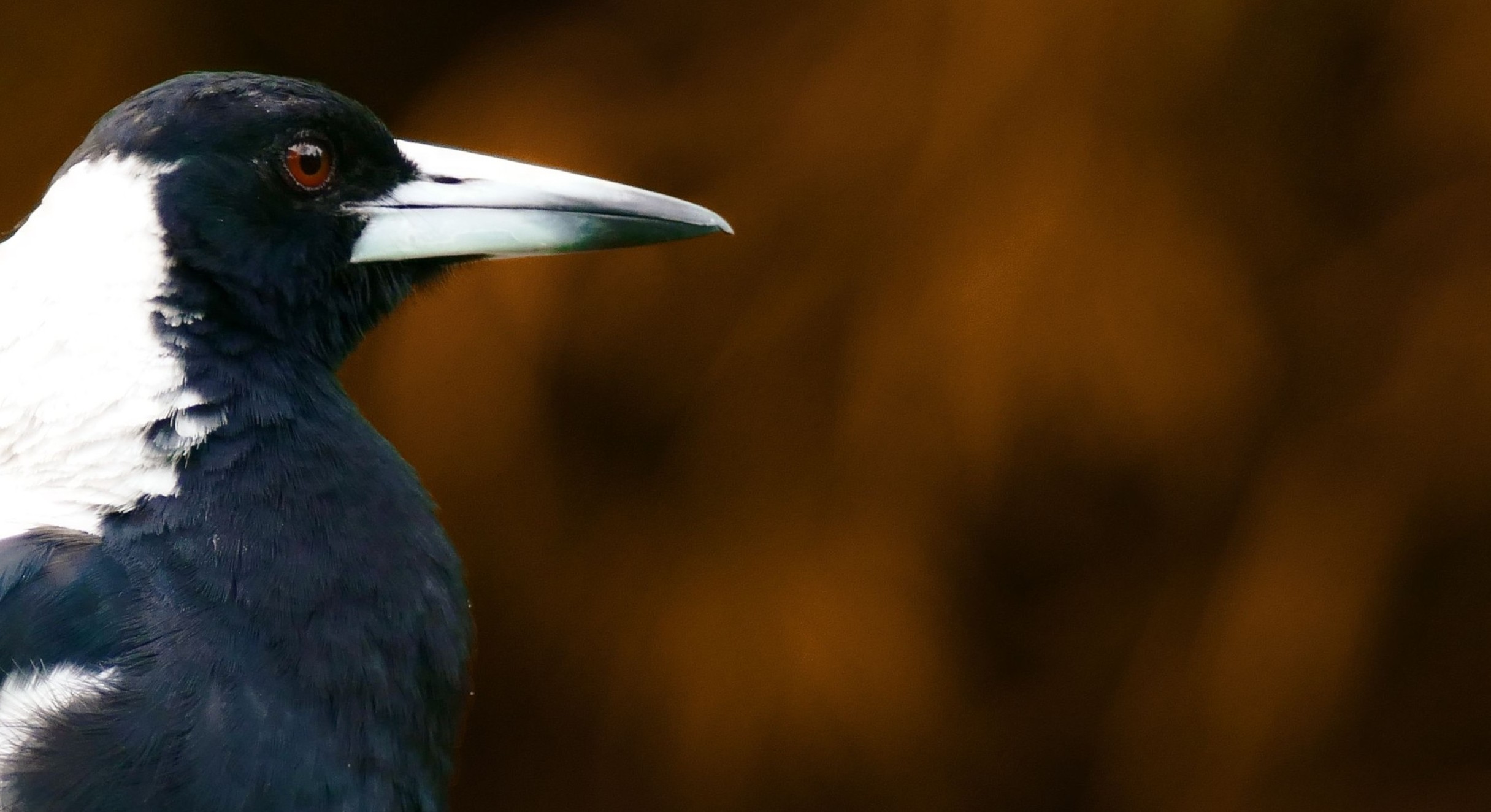
It can be quite confronting. You’re walking on the path beside one of Redlands Coast’s beautiful tree-lined streets. It’s a warm, blue-sky spring morning. And then there is a sharp clack of bone-on-bone from behind you; a “whumpf” of flapping wings; and then a shriek as a magpie passes you and swoops back into the trees.
You have been warned. That is the look in the magpie’s eye. Don’t you dare come near my family!
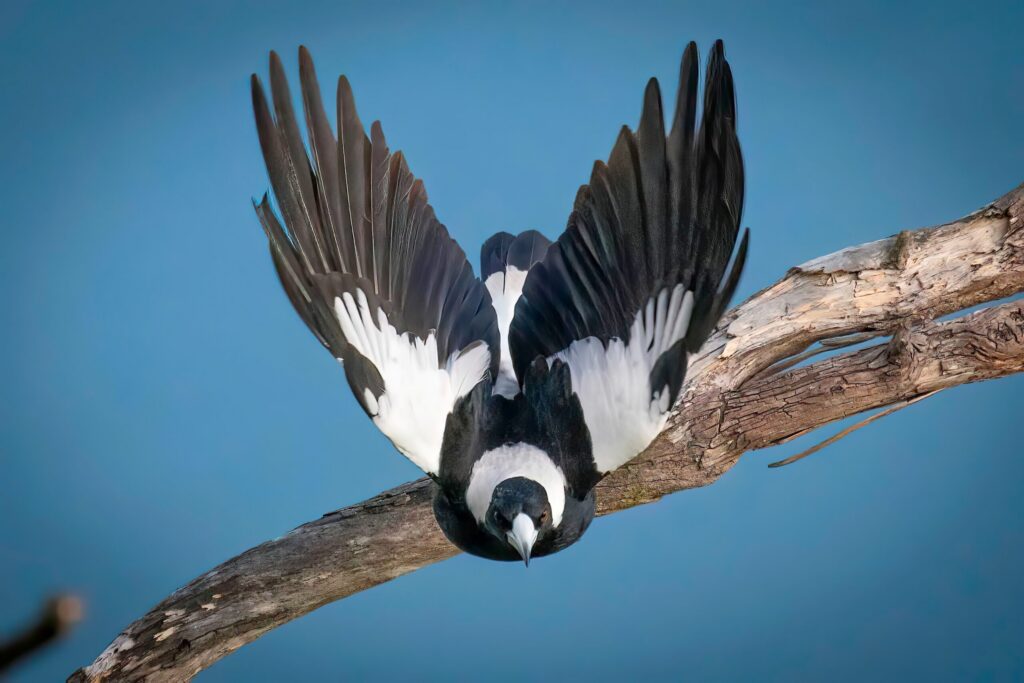 Spring is nesting season for magpies and some of these overprotective, black and white, parents may be showing defensive behaviour when you walk, ride or jog past their nest.
Not all of them will do it, but if male magpies perceive a threat to their eggs or chicks, they may swoop in a defence zone – a 100m radius from the nest – or a bit further out when they want to discourage a cyclist.
Certain magpies target certain types of people – cyclists, posties and other delivery people – while others target anyone who gets too close to their young. Swooping behaviour will only last for about 6 weeks, but can occur anytime in the traditional breeding season which runs until December.
Redland City Council’s Principal Adviser (Community Education) Ranger Stacey Thomson says magpies are super smart birds.
“They can distinguish between individual human faces – so they can recognise you from me,” she says when we catch up with her at Redlands IndigiScapes Centre at Capalaba. “They are also highly territorial, and some have been known to live in the same area for up to 20 years.”
Ranger Stacey says magpies, butcher birds, plovers and curlews are the common birds that tend to become overzealous in their behaviour during breeding season. “Butcher birds are known for being lovely large songbirds – but they can give out this shrieking cackle when they decide they want to swoop,” she says.
Plovers nest in a small dent on the ground with their eggs, making them even more vulnerable to people and animals. They prefer open spaces like football fields where they have 360-degree views to easily detect predators. After eggs are laid, they take approximately 28 days to hatch into cute little fluff balls on legs.
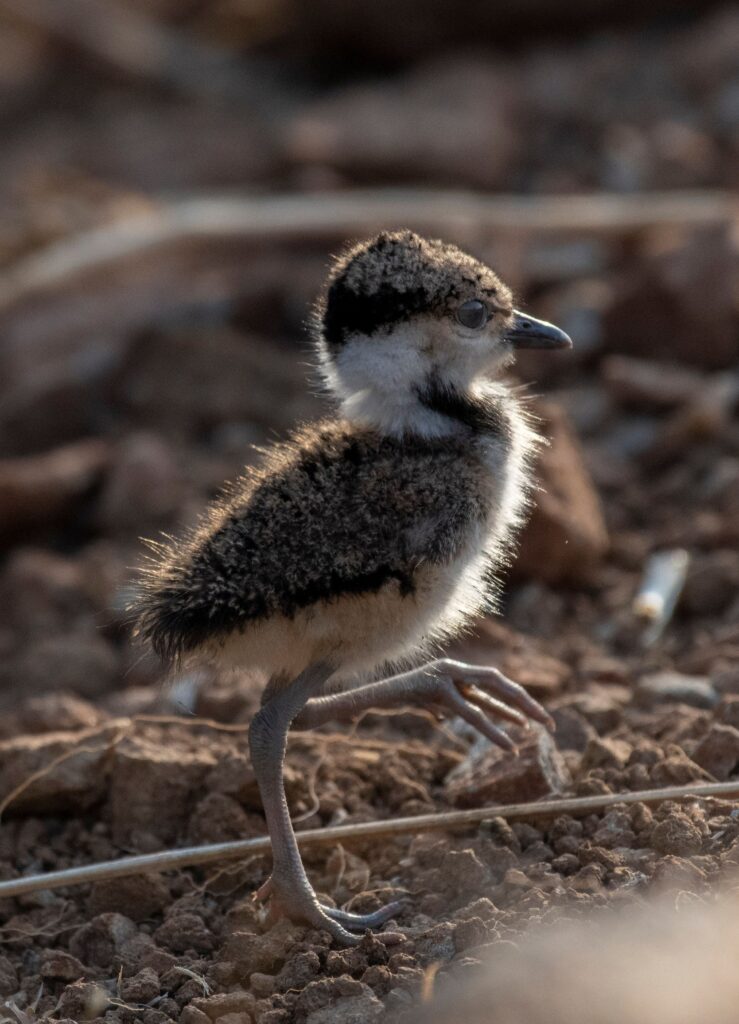
The chicks are termed “precocial”, meaning they are born in an advanced state, and are able to feed themselves and move independently almost immediately. After a short time, the parents and the chicks will move away from the nest site as they search for food.
To alleviate stress for both the birds and you, avoid a plover nesting site during breeding season. As with all defensive birds, cross to the other side of the street, give them as much space as you can, don’t stare at them and don’t walk directly towards them.
If they are in a precarious location with a high volume of people traffic, you can mark the nest with four stakes and a piece of flagging tape to alert other people to its location. This exclusion method has proved to be very successful in alleviating swooping behaviour.
Curlews also nest on the ground, usually near vegetation or in the shelter of a fallen log. And like plovers, their eggs hatch in about a month. When defending their nest, curlews spread their wings and hiss, walking toward the threat to try to drive it away.
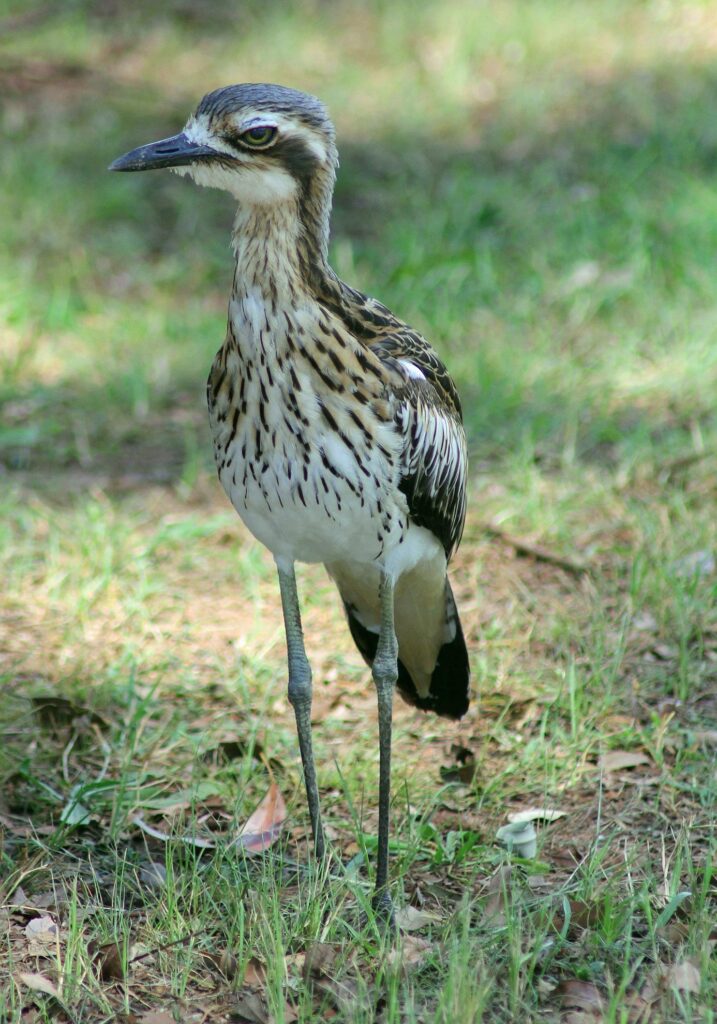
It is important to remember that it is illegal to remove or destroy curlew or plover eggs. If the eggs are in an area where they are in danger and cannot be protected, they can only be removed by a person with a Damage Mitigation Permit from the Queensland Government’s Department of Environment, Tourism, Science and Innovation (DETSI). If a licensed service provider is engaged to remove the eggs, you can put out some pot plants or garden furniture at the nest site to deter the birds from laying in the same area.
Last year Council received 19 reports about defensive magpies. The highest number of incidents were five in Wellington Point and four in Thornlands.
Magpie researchers have identified that if you are being swooped by a magpie in your yard, you can change its behaviour by feeding it and becoming a “friend”. It is also important not to undertake any behaviour that may be seen as aggressive to the magpie such as chasing or throwing and waving things at it.
If you locate a chick or young bird on the ground, do not pick it up or remove it from the area. Contact Redlands 24-hour Wildlife Rescue Service on (07) 3833 4031 for the right advice and they will help you assess whether it requires assistance.
Many people see a young bird on the ground and mistakenly think that it is lost, injured or fallen from its nest. This is not the always case. Birds such as magpies are ground feeders and when they are young, will spend more time on the ground learning to feed or waiting for their parents to feed them.
Ranger Stacey says that by understanding the reason behind some birds’ defensive behaviour, and taking some simple steps to protect yourself, Redlands Coast’s “human and magpie populations can get along just fine”. It is just a matter of understanding where you fit in the pecking order.
Visit Council’s website for more useful advice on swooping birds.